Bus tours taught by people who have driven them.

How this started — and why it stayed local
The idea came from a simple frustration. Guides working in the Laurentians and along the St. Lawrence corridor had no structured way to sharpen their skills or get feedback on their commentary. Workshops were rare, expensive, and almost always held in Montreal.
Domain launched in 2017 to close that gap. The goal was not to create a certification factory. It was to put practising guides in front of cameras so that other guides — in Abitibi, on the North Shore, in the Eastern Townships — could learn from real situations. Every lesson on the platform came from someone who had actually managed that scenario on a coach with passengers.
Geography was always the constraint and the reason. Quebec is enormous, and a guide working a route near Gaspé has almost no opportunity to sit in on a class with a colleague from the Outaouais. The platform removes that problem. Students access the same materials whether they are in Rouyn-Noranda or Longueuil.
Three things that separate working instruction from theory
Instruction by active practitioners
Every video instructor still works routes. Nathalie Bouchard, Domain's lead instructor, ran coach tours between Quebec City and Charlevoix for eleven seasons before stepping in front of a camera. When she describes how to handle a delayed border crossing at Lacolle, she is recalling what she actually said to 47 passengers in 2019.
Scenario-first structure
Lessons open with a situation, not a definition. A module on crowd management begins inside a packed rest stop in Baie-Saint-Paul on a holiday weekend. Students watch the scenario unfold, then the instructor rewinds to explain the decision points. Principles follow from specific events, not the other way around.
Student work you can actually compare
The platform links to a collection of student projects submitted after each major module. Seeing how a guide in Trois-Rivières handled the same commentary challenge as one in Sept-Îles shows what range looks like in practice — faster than any rubric.
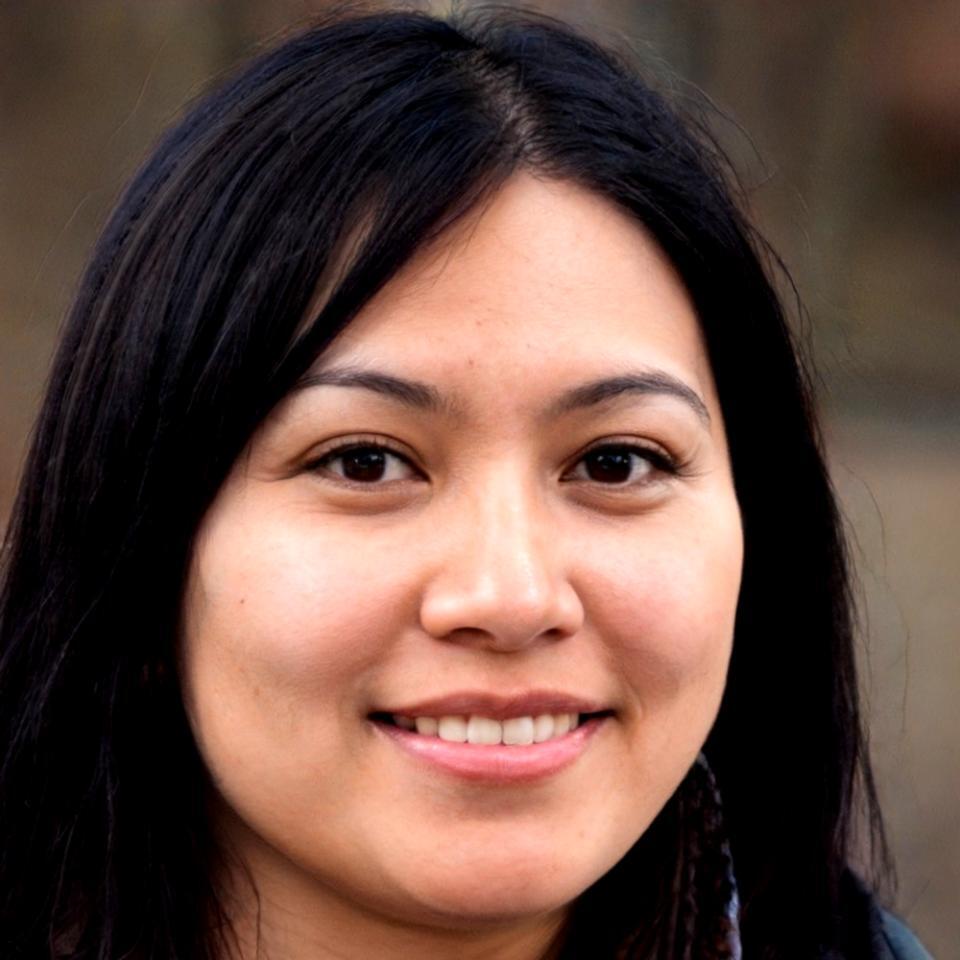
 Nathalie Bouchard — Lead Instructor
What drives the instruction here
Nathalie spent two decades guiding coaches through some of Quebec's least forgiving routes — winter crossings of the Gaspé Peninsula, chaotic summer charters into Tadoussac, overnight transfers where passengers were anxious and schedules had already slipped. She joined Domain because she kept meeting new guides who had received only a few days of onboarding and were expected to handle complex situations alone.
The instruction here reflects what she found useful, not what looked good in a curriculum document. Modules focus on timing, tone, and contingency — the three factors that experienced guides consistently cite as the difference between a difficult trip and a successful one. There is no guarantee that completing these lessons produces a flawless guide. It gives working professionals a structured way to reflect on what they are already doing.